How to store compounded medication safely
Short version: Store a compounded medication exactly as its label and pharmacy instruct — that guidance is specific to your preparation. In general: keep it at the stated temperature (many are refrigerated), protect it from heat and light, keep it in its original container, mind the beyond-use date, keep it away from children and pets, and ask your pharmacy before doing anything the label doesn't cover. When in doubt, call the pharmacy that made it.
Verendia is a Better Health partner and earns a commission when you sign up through our links, at no extra cost to you — it never changes what we cover. Educational only, not medical advice; talk to a licensed provider. Full details →
A compounded medication isn’t quite like the bottle of ibuprofen in your cabinet. Because it’s prepared to order rather than mass-manufactured, it can be more sensitive to heat, light, and time — and its shelf life is often shorter.[1] Storing it properly isn’t complicated, but it does matter. Here’s the plain version.
First rule: the label wins
Before any general advice, one thing overrides everything else: follow the specific instructions on your label and from your pharmacy. Those directions are tailored to your exact preparation, and they beat any rule of thumb — including the ones below. If your label and this article ever disagree, believe your label.
Temperature: room, fridge, or cold-chain
Compounded medications come with a storage temperature for a reason. Some are stable at room temperature; many need refrigeration. A few clues:
- If your medication arrived in insulated packaging with cold packs, that’s a strong signal it should be kept cold.
- Keep refrigerated medications in the fridge — not the freezer, unless the label specifically says to freeze.
- Keep room-temperature medications away from heat sources, humidity (so, often not the bathroom), and direct sun.
When you’re genuinely unsure whether something needs refrigeration, don’t guess in either direction — call the pharmacy that made it.
Protect it from light and air
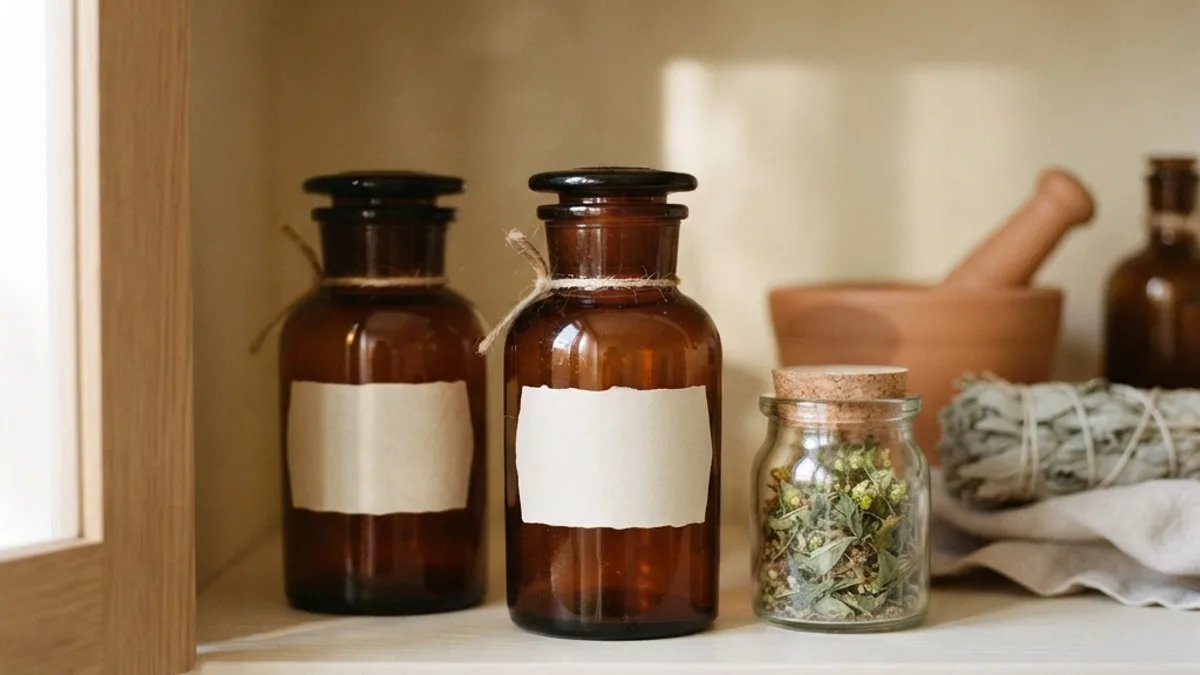
Many compounded preparations come in amber or opaque containers precisely because light can degrade them. Keep your medication in its original container, closed, rather than transferring it to something prettier. The packaging is part of how it stays stable.
Mind the beyond-use date
Commercial drugs have expiration dates measured in years. Compounded medications carry a beyond-use date (BUD) — often much sooner — after which they shouldn’t be used.[1] Note it when you receive your medication, and don’t use anything past it. If you’re regularly reaching the BUD before finishing, tell your provider or pharmacy — the quantity or schedule may need adjusting.
Traveling with it
You can usually travel with a compounded medication; just plan for its storage needs. For a refrigerated medication, pack it in an insulated bag with cold packs, and never leave it in a hot car or in direct sun. For longer trips, ask your pharmacy ahead of time how long it can safely be out of the fridge and how to manage it.
Keep it safe from kids and pets
Store all medications out of the reach of children and pets — ideally somewhere secure, not just high up. This is ordinary medication safety, and it applies to compounded preparations just the same.
When something seems off
If a medication that should have been cold arrived warm, sat out too long, or simply looks or smells different than usual, don’t push through on assumption. Contact the pharmacy that prepared it and ask whether it’s still safe or should be replaced. And when a medication is expired, past its beyond-use date, or no longer needed, follow safe disposal guidance rather than tossing it loose.[3]
The bottom line
Storing compounded medication well comes down to a short habit: read the label, keep it at the right temperature and out of light, respect the beyond-use date, and ask the pharmacy whenever you’re unsure. A quick call beats a costly guess every time.
Common questions
How should I store a compounded medication?
Follow the label and the pharmacy's instructions first — they're specific to your preparation. Generally: keep it at the temperature stated (refrigerated if directed), away from heat, light, and moisture, in its original container, and out of reach of children and pets. If the label doesn't answer a question, call the pharmacy.
Do compounded medications need to be refrigerated?
Many do, but not all — it depends on the specific preparation. Your label will say. If your medication arrived with cold packs in insulated packaging, that's a strong sign it should be kept cold. When you're unsure, refrigerate nothing on a guess; instead ask the pharmacy that prepared it.
What is a beyond-use date?
A beyond-use date (BUD) is the date after which a compounded medication should no longer be used. Because compounded preparations aren't mass-manufactured with long shelf lives, BUDs are often shorter than the expiration dates on commercial drugs. Don't use a compounded medication past its beyond-use date.
Can I travel with a compounded medication?
Usually yes, but plan for its storage needs. For a refrigerated medication, use an insulated bag with cold packs and keep it out of hot cars and direct sun. For longer trips, ask your pharmacy how long it can safely stay out of refrigeration and how to handle it — before you leave.
What should I do if my compounded medication wasn't stored properly?
If a medication that should have been cold arrived warm, was left out too long, or looks or smells different than usual, don't use it on assumption — contact the pharmacy that prepared it and ask. They can tell you whether it's still safe or should be replaced. When in doubt, ask before you use.
Questions about your treatment?
Storage questions are best answered by the pharmacy that prepared your medication — and a licensed provider can help with the rest. Here's how getting evaluated works.
Get evaluated by a licensed provider →Sources
- FDA — Compounding and the FDA: Questions and Answers (compounded drugs are prepared per-prescription and are not FDA-approved; follow pharmacy directions)
- FDA — Compounding Risk Alert (why the specific pharmacy and proper handling matter with compounded drugs)
- FDA — Disposal of Unused Medicines: What You Should Know (safe disposal, including expired or beyond-use medications)